

Understanding Inspection Requirements
OSHA and ASME standards require documented periodic inspections of lifting and rigging equipment at least once every 12 months. Equipment subjected to severe service conditions may require more frequent inspections. Beyond periodic inspections, OSHA requires visual inspection of all rigging equipment before each shift and as necessary during use. Any defective equipment must be immediately removed from service.
The specific inspection and documentation requirements vary by equipment type and application. A qualified person should review your lifting and rigging program to determine appropriate inspection intervals and documentation practices based on your equipment, service conditions, and regulatory obligations.
Why Winter Makes Sense
Scheduling inspections during slower winter months offers practical advantages. Production schedules face fewer disruptions when inspection crews can access equipment without impacting critical operations. Teams can address any identified issues without the pressure of pending projects. Equipment that fails inspection can be repaired or replaced before busy spring and summer schedules begin.
Winter timing also supports better planning for the year ahead. Inspection documentation prepared in winter provides clear records for OSHA compliance reviews. Budgets can be adjusted based on actual equipment condition rather than estimates. Training programs can be scheduled while experienced personnel are available.
What Professional Inspection Includes
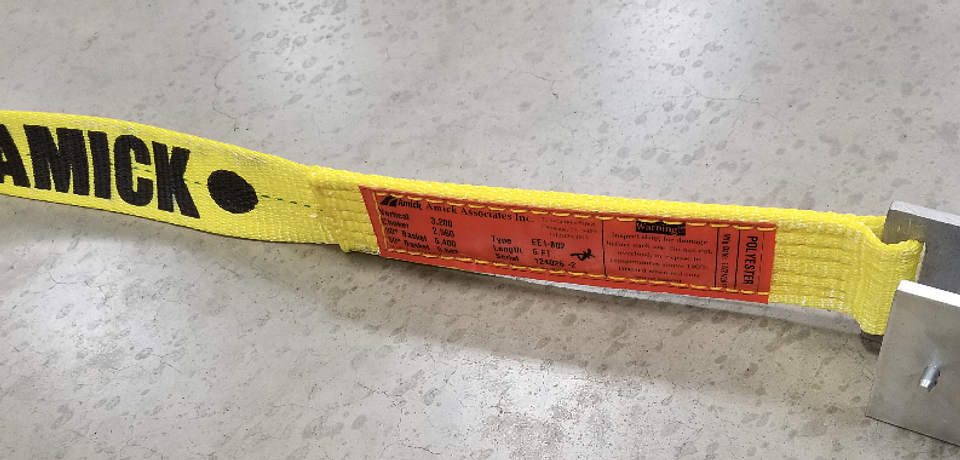
Comprehensive rigging inspections examine multiple factors that affect equipment safety and performance. Inspectors evaluate visible damage including cracks, deformation, excessive wear, and corrosion. They verify identification markings remain legible and accurate. They assess whether equipment shows signs of overloading, chemical exposure, or heat damage.
For below-the-hook lifting devices, B30.20 evaluations provide detailed documentation with photo reports. These assessments verify structural integrity, proper operation of mechanical components, and compliance with manufacturer specifications and industry standards.
Advanced testing methods such as magnetic particle inspection can detect subsurface defects not visible during visual inspection. Load testing up to 400,000 lbs in both horizontal and vertical configurations verifies equipment performance under controlled conditions.
The Documentation Advantage
Proper documentation serves multiple purposes beyond regulatory compliance. Inspection records establish baseline equipment condition and track changes over time. They provide evidence of due diligence in maintaining safe work environments. They support informed decisions about repair, retirement, or replacement of aging equipment.
Modern tracking systems make accessing inspection information easier than ever. Amick provides certification tags with QR codes that allow personnel to instantly scan and view exactly when inspections took place, along with detailed inspection records. This immediate access to inspection history helps operations managers verify compliance status on the spot and ensures that equipment documentation is always available when needed.
Planning Your Inspection Program
Effective inspection programs begin with understanding your specific equipment and its service conditions. Normal service typically requires inspection every 12 months. Severe service conditions may necessitate quarterly or monthly inspections. Special service applications require evaluation by qualified personnel to determine appropriate inspection intervals.
Qualified inspectors bring the expertise needed to identify potential issues before they become hazards. Their experience with various equipment types and manufacturers enables them to spot problems that untrained personnel might miss. They understand the nuances of different standards and can recommend appropriate corrective actions.
Beyond Compliance
The goal of equipment inspection extends beyond avoiding OSHA citations. Well-maintained rigging equipment performs more reliably, reducing the risk of load drops, equipment damage, and project delays. It protects the most valuable assets in any operation: the workers who depend on that equipment to function safely.
As operations plan for 2026, winter inspections represent an investment in operational readiness. Equipment verified and documented during quieter months provides confidence when spring projects demand full production capacity.