

No Touch Tools
Hand injuries account for over 50% of all workplace injuries, with more than 250,000 serious hand injuries occurring annually in the United States. Amick's No-Touch Safety Tools are engineered to eliminate hand exposure to suspended loads — keeping workers' hands, fingers, and arms out of danger while maintaining full control of the load.
Amick manufactures a complete line of hands-free load positioners in five categories: Wood Guidance Tools, Aluminum Fixed Head Tools, Aluminum Removable Head Tools, Steel Tools, and Custom Tools. Across these categories, we offer 70+ standard tool configurations with six distinct head types — Shepherd, C, J, S, M, and Double C — each designed for specific load engagement tasks including pushing, pulling, positioning, and guiding.
What sets Amick apart is that nearly 90% of the no-touch tools we produce are custom. When a standard tool doesn't fit the application, our team works from your sketch or description to design and build a tool that does. From custom head shapes to specific shaft lengths and materials, if you can describe the problem, we can build the solution.
No-touch tools are not rated for any working load limit and are not lifting devices — they are strictly hands-free positioning and guidance tools used to control a load that is already suspended from a crane, hoist, or other lifting equipment. They serve as an extension of the worker's reach, replacing the instinct to grab, push, or guide a load by hand.
Amick has been manufacturing no-touch tools at our Pittsburgh facility since the company began promoting hands-free safety as a core part of safe rigging practice. Our tools are used by companies across the globe — in construction, manufacturing, steel mills, oil and gas, power generation, and motorsports — anywhere workers handle suspended loads.
Nearly 90% of what we make is custom. Sketch it, describe it — we'll build it. No-touch tools from Amick in Pittsburgh. Call 412-429-1212.
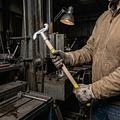
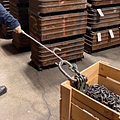
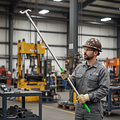
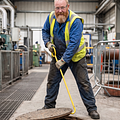
No Touch Tool Categories
No Touch Tool Products
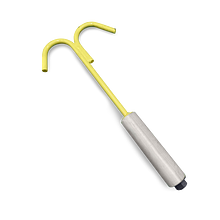
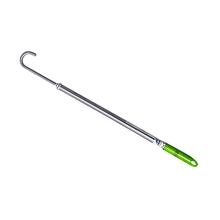
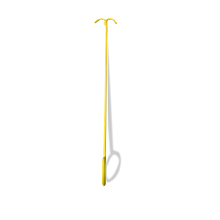
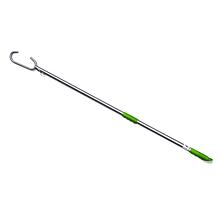
Aluminum 2 Ft. Removable C-Head No-Touch Tool with Bicycle Handle
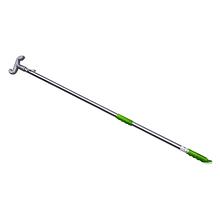
Aluminum 2 Ft. Shepherd Staff No-Touch Tool with Bicycle Handle
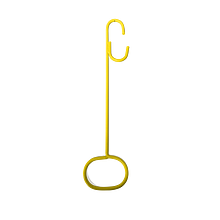
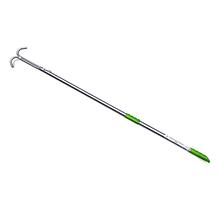
Aluminum 4 Ft. Removable M-Head No-Touch Tool with Bicycle Handle
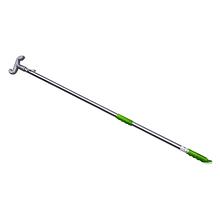
Aluminum 4 Ft. Shepherd Staff No-Touch Tool with Bicycle Handle
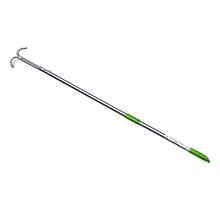
Aluminum 6 Ft. Removable M-Head No-Touch Tool with Bicycle Handle
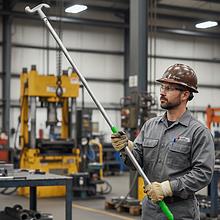
Aluminum 6 Ft. Shepherd Staff No-Touch Tool with Bicycle Handle
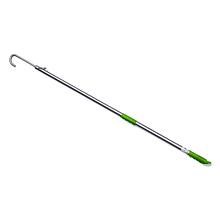
Aluminum 8 Ft. Removable J-Head No-Touch Tool with Bicycle Handle
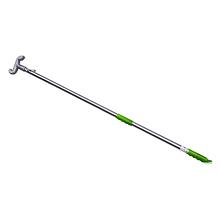
Aluminum 8 Ft. Shepherd Staff No-Touch Tool with Bicycle Handle
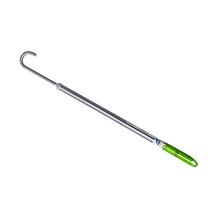
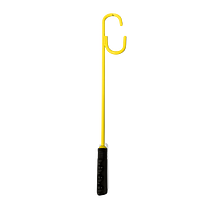
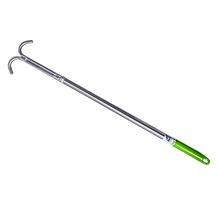
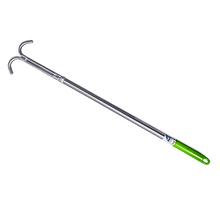
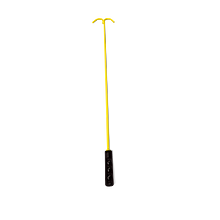
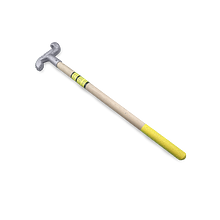
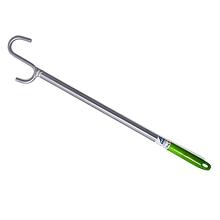

Aluminum 4 Ft Fixed Head No-Touch Tool w/ Shepherd Staff Head Only

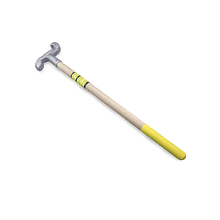
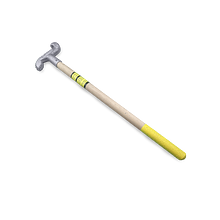
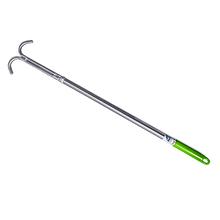
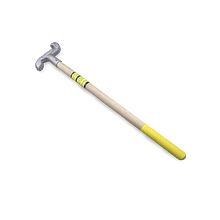
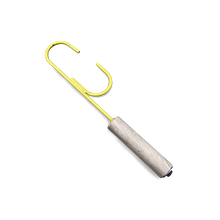
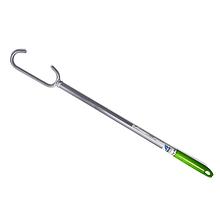
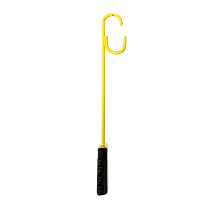
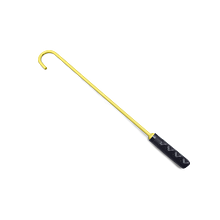
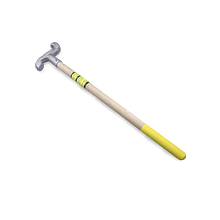
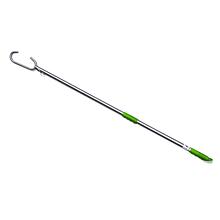
Aluminum 6 Ft. Removable C-Head No-Touch Tool with Bicycle Handle
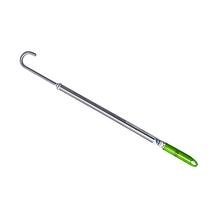
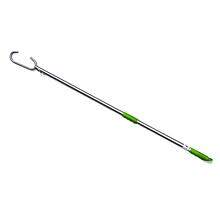
Aluminum 8 Ft. Removable C-Head No-Touch Tool with Bicycle Handle
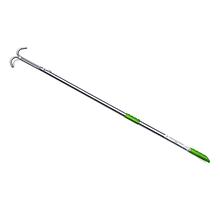
Aluminum 8 Ft. Removable M-Head No-Touch Tool with Bicycle Handle
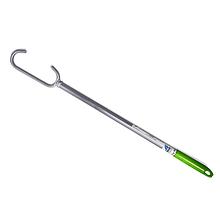
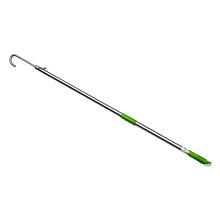
Aluminum 4 Ft. Removable J-Head No-Touch Tool with Bicycle Handle
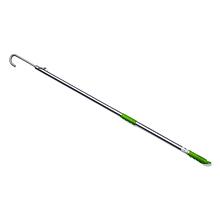
Aluminum 2 Ft. Removable J-Head No-Touch Tool with Bicycle Handle
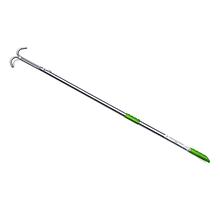
Aluminum 2 Ft. Removable M-Head No-Touch Tool with Bicycle Handle
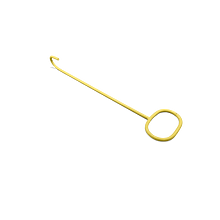
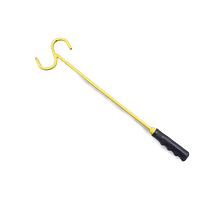
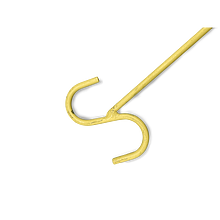
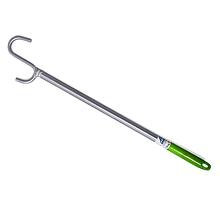

Aluminum 2 Ft Fixed Head No-Touch Tool w/ Shepherd Staff Head Only
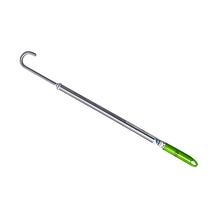
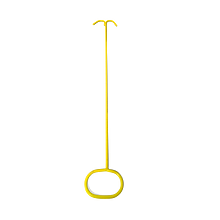
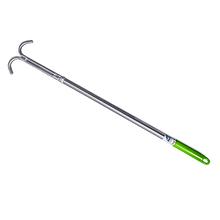
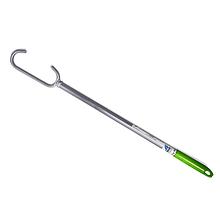
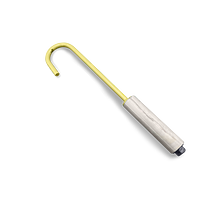

Aluminum 8 Ft Fixed Head No-Touch Tool w/ Shepherd Staff Head Only
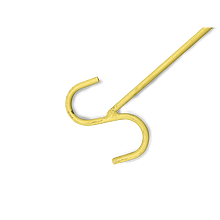
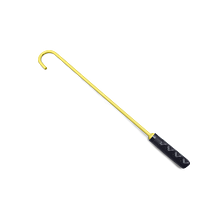
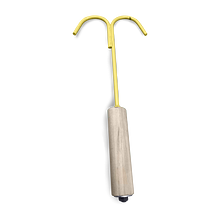
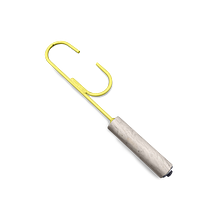
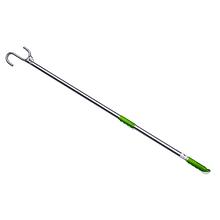
Aluminum 8 Ft. Removable S-Head No-Touch Tool with Bicycle Handle
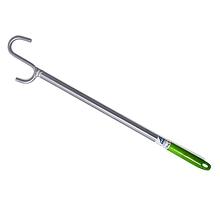
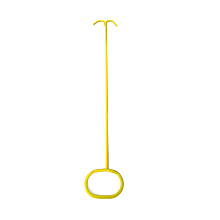

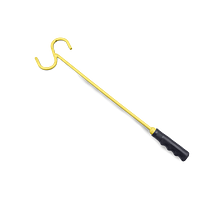
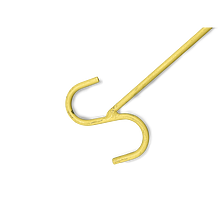
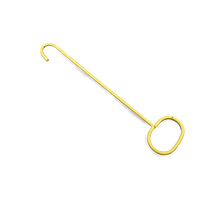
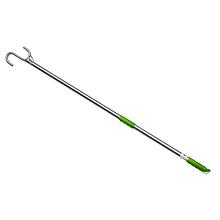
Aluminum 2 Ft. Removable S-Head No-Touch Tool with Bicycle Handle
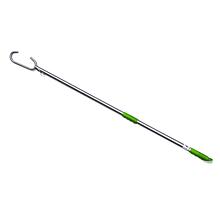
Aluminum 4 Ft. Removable C-Head No-Touch Tool with Bicycle Handle
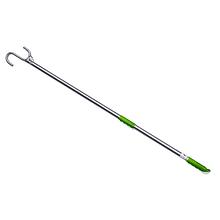
Aluminum 4 Ft. Removable S-Head No-Touch Tool with Bicycle Handle
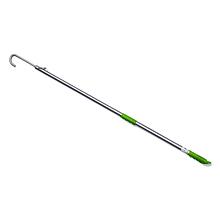
Aluminum 6 Ft. Removable J-Head No-Touch Tool with Bicycle Handle
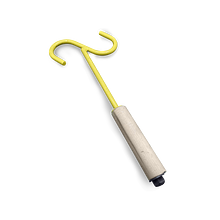
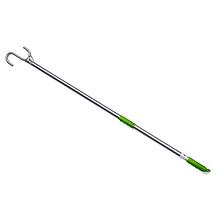
Aluminum 6 Ft. Removable S-Head No-Touch Tool with Bicycle Handle
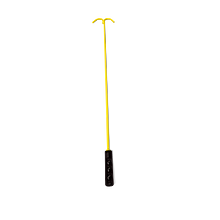
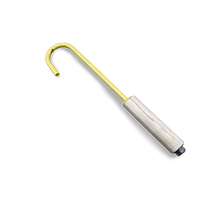
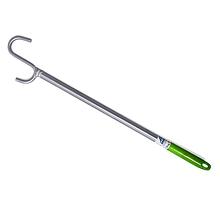

Aluminum 6 Ft Fixed Head No-Touch Tool w/ Shepherd Staff Head Only
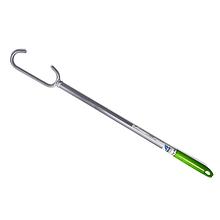
How to Choose a No-Touch Tool
Three decisions pick the tool: the head, the material and the length.
1. Pick the head for what you need to contact
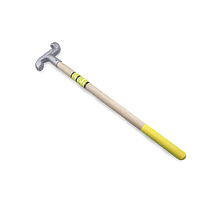
- Shepherd: direct contact with the load itself. Pulls with the inside of the crook, pushes with the outer face. The one to buy if you are buying one. Details.
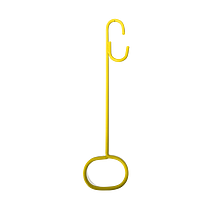
- C: pushing and pulling the rigging rather than the load: wire rope, chain, synthetic slings, shackles and hardware. The open C hooks on and comes off without threading the tool around anything. Details.
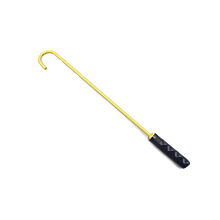
- J: pulling only. A single hook for grabbing a sling, a shackle or a piece of rigging hardware and drawing it into position. Details.
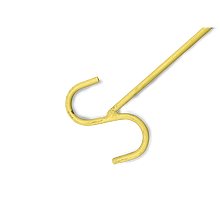
- S: pushing and pulling rigging when the approach angle is limited. Two opposing hooks let you engage from whichever side you can reach. Details.
- M: pulling and guiding from either side of the shaft. A hook on each side, both facing the same direction, so you do not have to reposition the tool in a tight space. Details.
- Double C: two C hooks on one head for two-point contact.
2. Pick the material for the work
- Wood: the everyday standard. Solid wood shaft with a metal Shepherd Staff hook, non-conductive.
- Aluminum, fixed head: lightweight tool, the head is welded to the shaft. For crews doing the same task every shift.
- Aluminum, removable head: lightweight shaft, interchangeable heads that slide in and lock with a retaining clip, no tools needed. For crews whose work varies.
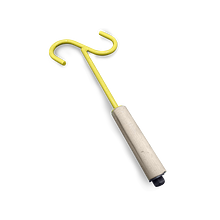
- Steel: a different kind of tool. A 1/4 or 3/8 inch solid steel bar with a C, S, J or M head, built for close, precise work on slings, shackles and hardware rather than long-reach load steering.
3. Pick the length for the reach
Shorter gives more precise control, longer gives more standoff. Wood and aluminum tools run from 18 inches and 2 feet for confined spaces up to 4, 6 and 8 feet for elevated loads or extra distance from the load. Steel tools come in 14, 24 and 48 inches. The 14 inch has a wood handle; the 24 and 48 inch come with a bicycle grip, an on-plane handle or a 90 degree off-plane handle.
If no standard combination fits, describe or sketch the job and we will build to it.